The Nature of Luck in Gambling
Luck is often perceived as an unpredictable force that can dramatically alter outcomes in a player’s favor. In the context of gambling, this concept is paramount, as the essence of casino games—be it slot machines, card games, or roulette—revolves around chance. Many players enter casinos with the belief that they can somehow harness luck to shift the odds in their favor, and platforms like 1win offer an array of opportunities to enhance this experience. This belief underpins the excitement and anticipation associated with gambling, making each game a thrilling venture into the unknown.
However, it’s crucial to recognize the distinction between skill-based games and those that rely solely on luck. In games like poker, players can enhance their chances of winning through strategic thinking, calculating odds, and reading opponents. Conversely, games like slots are purely luck-driven, resulting in outcomes determined by random number generators. While luck can play a significant role in a player’s experience, understanding the mechanics of each game is equally vital for achieving success.
The psychological aspect of luck in gambling also deserves attention. Players often attribute wins to lucky streaks or favorable situations that align with their choices. This mindset can create a compelling narrative that motivates continued play, even when the odds are not in their favor. In this intricate dance between luck and strategy, the complexity of success in casinos emerges, challenging players to navigate an environment where chance and skill frequently intertwine.
The Odds and House Edge
Every casino game comes with calculated odds that ensure the establishment’s profitability, commonly referred to as the house edge. This mathematical advantage guarantees that, over time, casinos will earn more than they pay out, regardless of the role luck might play in individual games. For gamblers aiming to approach their play with a realistic mindset, understanding these odds is imperative. For instance, a slot machine may offer a return-to-player (RTP) percentage of 95%, indicating that, in the long run, players can expect to retain $95 for every $100 wagered. However, this figure does not account for the unpredictable wins and losses that can occur in the short term.
The house edge differs from game to game, with some providing better odds for players than others. Games such as blackjack and baccarat typically offer a lower house edge, allowing players a more favorable chance of winning, especially when employing optimal strategies. In contrast, games like roulette and slots present a higher house edge, making the reliance on luck a more significant factor for potential success. Grasping these dynamics is essential for anyone seeking to navigate the multifaceted world of casino gambling.
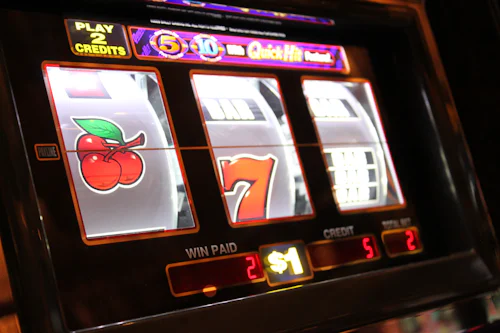
While luck may lead to occasional short-term victories, the overarching odds are designed to favor the casino over time. This reality serves as a cautionary note for players who might invest too heavily in the belief that they can consistently overcome the odds through luck alone. A balanced approach, combining an understanding of the odds with a healthy respect for the role of luck, is crucial for cultivating a sustainable gambling experience.
The Psychological Impact of Luck
The psychology of gambling is intricately linked to beliefs about luck. Many players develop superstitions, rituals, or routines that they believe enhance their odds of winning. These psychological factors can greatly influence player behavior and decision-making processes. For instance, a player might opt to play at a specific slot machine because it was deemed lucky for someone else, or they might carry a particular charm, convinced it will bring them good fortune. Such beliefs foster a sense of control over an otherwise unpredictable situation, making the gaming experience more engaging.
This psychological phenomenon can also lead to what is known as the “gambler’s fallacy.” This belief occurs when players assume that past events can influence future outcomes. For example, a player may think that if a roulette wheel has landed on red several times, black is “due” to appear next. Such misconceptions can lead to poor betting choices and increased losses, highlighting that while luck can influence short-term outcomes, it cannot guarantee long-term success.
Understanding the psychological aspects of luck in gambling allows players to navigate their experiences more effectively. Acknowledging that luck is inherently unpredictable fosters a more grounded approach to gaming. By embracing the thrill of the game while recognizing the limits of chance, players can cultivate a more enjoyable and responsible gambling experience. In this way, luck transforms into an exciting component of the adventure rather than the sole determinant of success.
Strategies for Managing Luck
While luck remains a crucial element in casino games, players can adopt various strategies to enhance their experiences. One effective approach is to set limits on both time and money spent gambling. By establishing boundaries, players can enjoy the thrill of the game while maintaining control over their finances. This strategy not only mitigates the impact of any bad luck but also promotes a more responsible gaming environment, allowing players to walk away with their enjoyment intact.

Another valuable strategy involves focusing on games that incorporate a skill element, where players can influence outcomes through their knowledge and abilities. For instance, mastering poker or blackjack can empower players to make informed decisions that improve their odds of winning. This combination of strategy and luck can create a more engaging casino experience, where players feel a sense of control over their fate amidst the randomness of chance.
Ultimately, while luck will always play a role in casino games, employing these strategies can contribute to a more fulfilling experience. Engaging with skill-based games, setting limits, and maintaining a realistic perspective on luck can empower players to not only have fun but also safeguard their interests. By doing so, they can navigate the unpredictable landscape of gaming with confidence and responsibility.
Conclusion: Embracing the Role of Luck
In conclusion, luck undeniably impacts success in a casino, yet it is merely one of many factors at play. The intricate interplay between luck, skill, and strategy creates a complex gaming environment where players can encounter both enjoyment and challenges. Understanding how luck operates within the framework of the odds and house edge can aid players in making informed decisions about their gaming experiences. Recognizing that while we cannot control luck, we can control our approach to gambling is essential.
Ultimately, embracing luck as a component of the gaming experience allows players to appreciate the thrill of gambling without succumbing to unrealistic expectations. By prioritizing responsible gaming practices, educating themselves about games of chance, and finding joy in the experience itself, players can achieve a healthy balance in their casino adventures. The journey through luck and strategy can lead to not only memorable moments but also a deeper comprehension of the gaming world.
Whether you are a novice or a seasoned gambler, understanding the nuances of luck can elevate your gaming experience. Armed with knowledge and effective strategies, players can traverse casinos with a richer appreciation for how luck intertwines with their journey. Setting realistic expectations and enjoying the process remains pivotal to a positive casino experience and potential success.